
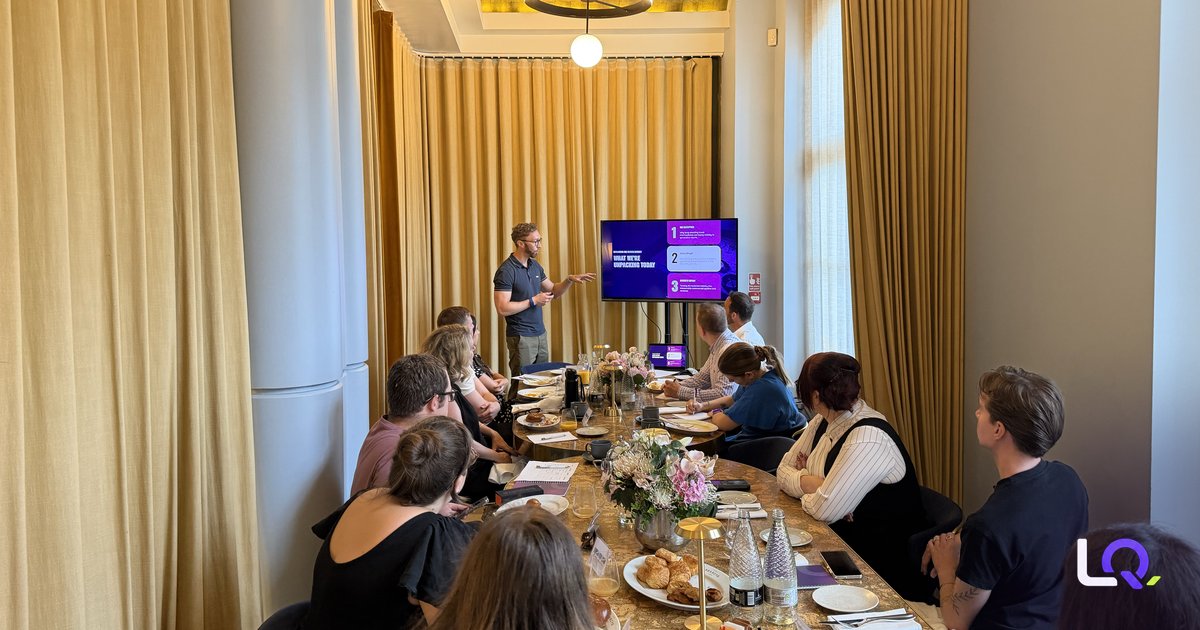
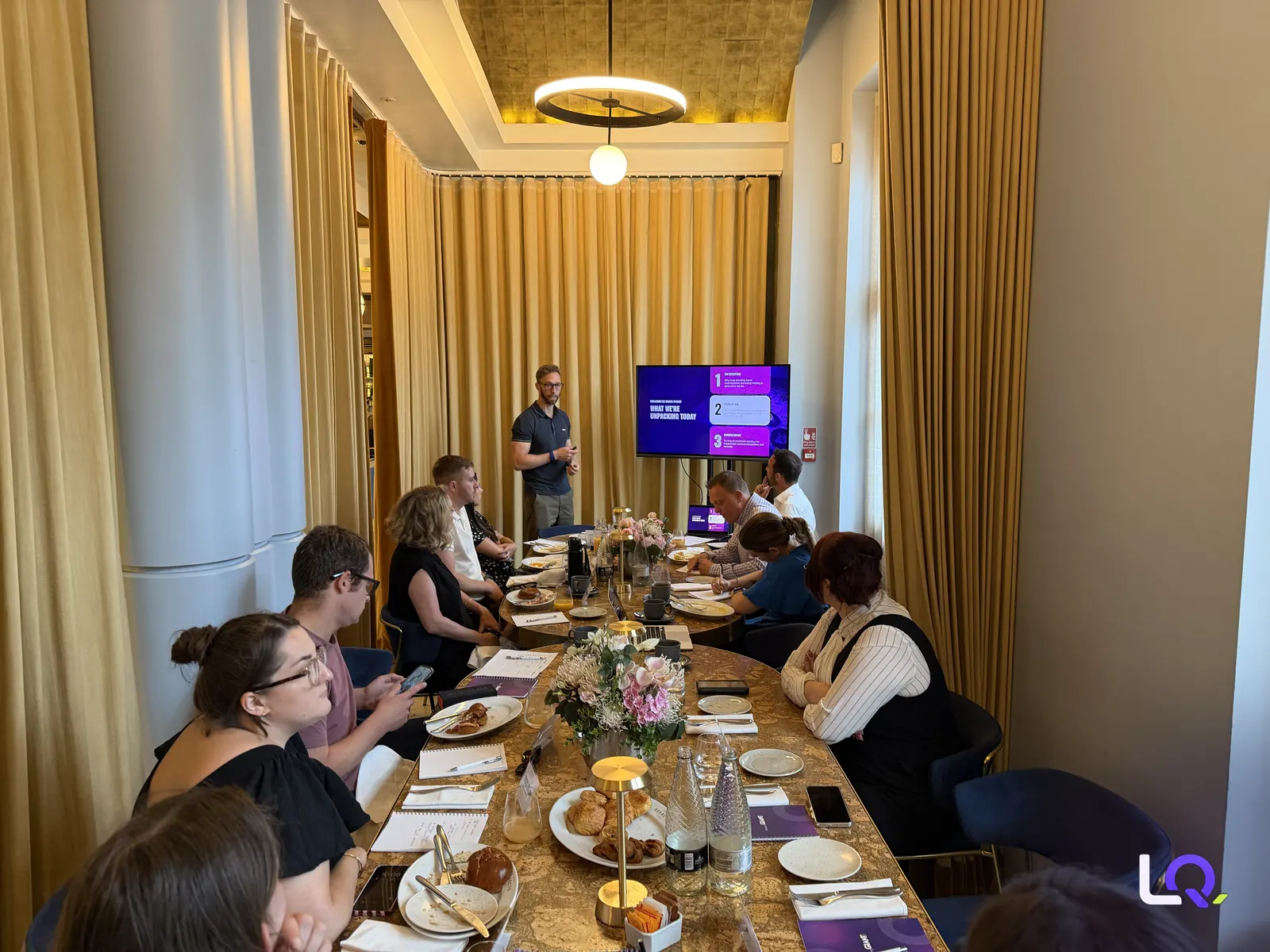
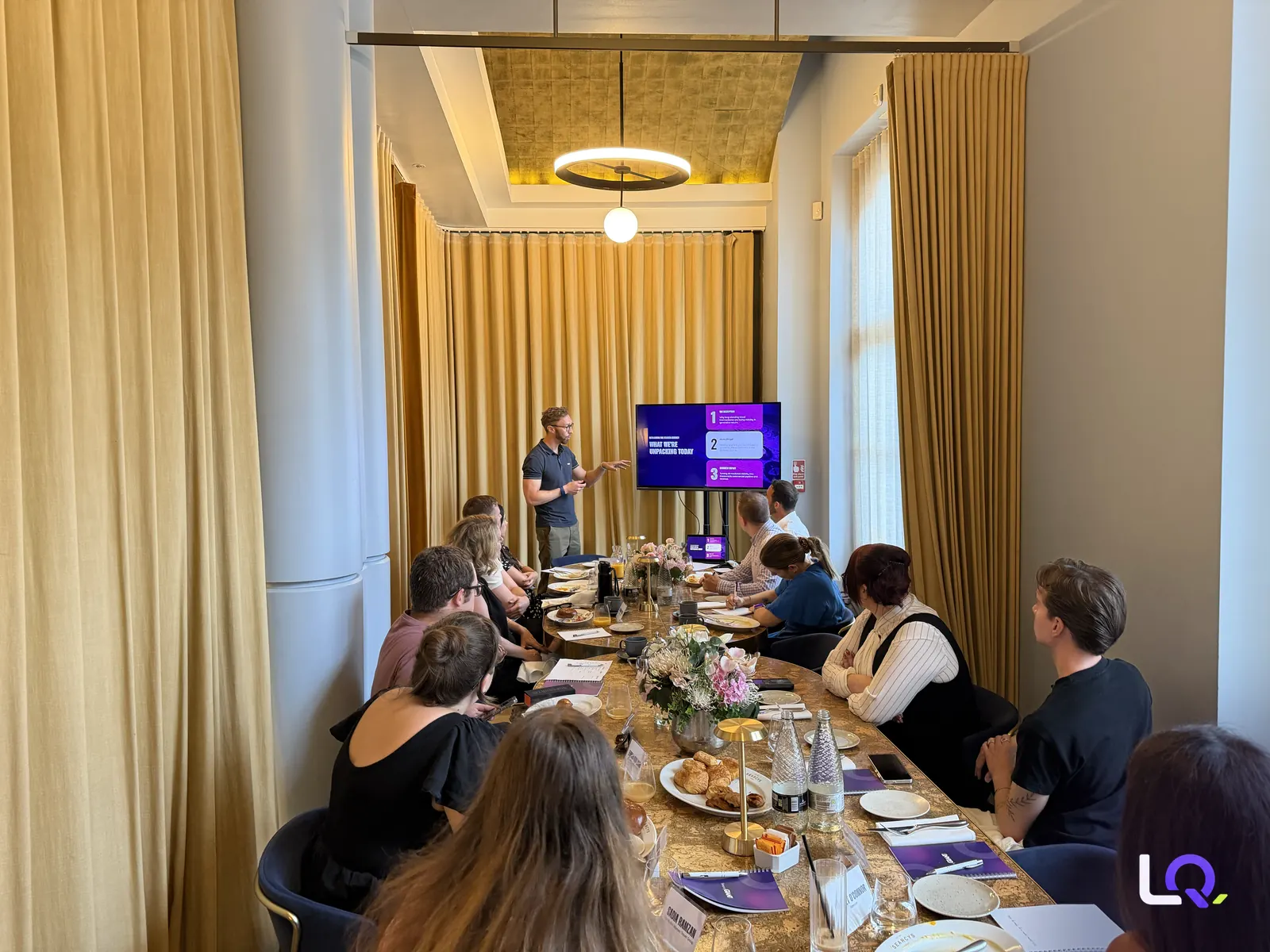
This week I had the pleasure of hosting one of our Sleeping Giant Media industry breakfast events, this time on AI search’s impact on the travel space.
One of the big things we’re seeing is this AI-enabled search experience where people increasingly plan their full travel itineraries through AI. The implication is huge: a lot fewer people will end up visiting a lot fewer websites in the process. Instead, they go to ChatGPT or Google’s AI Mode, the system asks a few personalised, bespoke questions, and then it builds them a whole travel itinerary.
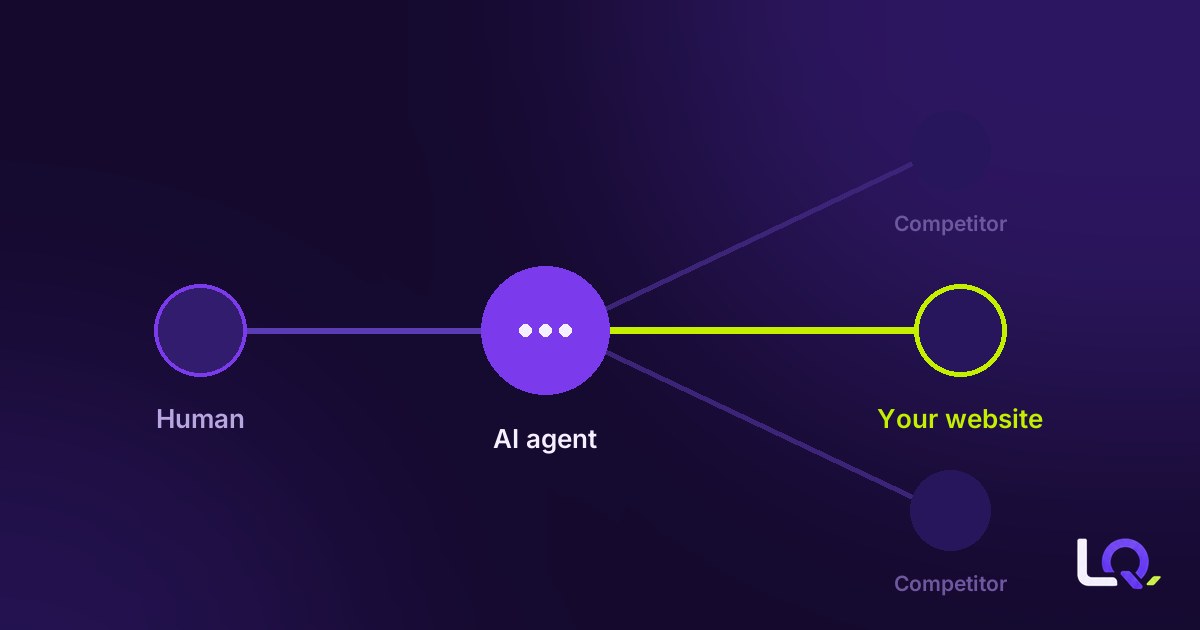
Are you marketing to a human, or to an agent?
The big thing we were exploring with the brands in the room was this: are you marketing to a human, or are you marketing to an agent acting on behalf of a human? That’s a massive realisation brands need to get their heads around. You’re not necessarily marketing to a human anymore, you’re thinking about how to make sure the AI agent chooses your content over your competitors’. Because if it does, you get referenced inside the answer, and you stand a chance of actually getting the booking.
AI is becoming the aggregator
We also talked about how travel aggregators may start to struggle, because AI is becoming the aggregator. It’s pulling all this information together in a way that’s often more bespoke than what the aggregator sites can offer. Take an example like “pick me a hotel within five minutes’ walk of a particular landmark.” The aggregator sites often don’t hold that level of detail, but the brand owner’s own site does. So again, as a brand owner, how do you make sure that user ends up on your site, and how do you appear above the other brand owners doing the same thing?
We spent time on the importance of content generation, how sites need to be marked up through schema and entity optimisation, and the role of off-site signals like digital PR and mentions, all of which help a business appear in AI search and get selected by the agent during that query process. (If you want to know where you stand today, that’s exactly what the free GEO audit looks at.)
What stood out for brand owners
My role on the day, much like when I’m speaking at events, was really to sit between the brands in the room and our experts, pulling out the conversation and turning it into a proper back-and-forth about what the real challenges are. A couple of things stood out as important:
- Should you even focus on AI search visibility yet? A lot of people look at their analytics and see that referral traffic from AI is quite low, and honestly, we’d agree with that. So the question becomes: should you be focusing on AI search when it’s still such a small part of the overall picture?
- Clicks are diminishing, and that’s expected. When you look at your analytics and think “I’m not getting much traffic from AI search”, that’s partly because you shouldn’t expect to, you’re simply not going to see the same volume of people clicking through. This isn’t just about clicks anymore. It’s about visibility and share of voice.
The metrics are changing
Part of the conversation on the day was reminding people that the metrics are changing. What we’ve always counted as performance is going to have to shift too, more towards share of voice and AI visibility rather than pure clicks to the site. Revenue will always be the true performance metric, that’s what we’d always recommend, but there’s a “how does it get there” conversation that needs to happen alongside it. It used to be impressions to clicks to conversion. Now it’s shifting towards share of voice, visibility, and revenue. It’s the same shift I spend a lot of time working through with leadership teams in AI consultation.
Overall, a really interesting session, delighted to have been part of it, and a good way to wrap up the week after an earlier event too.
[ Go deeper ]
Curious how you show up in AI search?
Start with a free GEO audit, or bring me in to work out what to do next.
Get a free GEO audit